A candid breakdown from a working medical coder and educator
Every year, thousands of new students decide to pursue medical coding, and one of the first decisions they face is choosing the right learning format. With so many options — self paced online courses, live online classes, and traditional in person programs — it’s easy to feel overwhelmed before you even begin. As someone who codes every day and teaches new coders, I’ve seen firsthand how different learning styles impact student success. And with the rise of AI tools, shifting industry expectations, and the growing demand for remote work, choosing the right learning format matters more than ever.
Let’s talk honestly about what each format offers, what it lacks, and how to choose the path that actually sets you up for success.
Self Paced Online Learning: Maximum Flexibility, Minimum Support
Self‑paced online courses are extremely popular, and it’s easy to see why. They allow students to learn on their own schedule, move quickly through topics they understand, and slow down when they reach more complex areas like cardiology or E/M. For people juggling full‑time jobs, kids, or unpredictable schedules, self‑paced learning can feel like the only realistic option.
But flexibility comes with trade-offs. Without an instructor, students often struggle with interpreting documentation, applying guidelines, and understanding the “why” behind coding decisions. Many beginners underestimate how much judgment and nuance coding requires, and without real-time feedback, it’s easy to misinterpret rules or develop bad habits. I’ve met countless students who completed self‑paced programs only to realize they still didn’t feel confident coding a chart — and ended up seeking tutoring or additional training afterward. Self‑paced learning works best for highly disciplined students who are comfortable studying alone, asking questions independently, and seeking help when they need it. But for beginners who crave structure, accountability, and guidance, it can feel isolating and overwhelming.
Live Online Instructor-Led Classes: Structure, Accountability, and Real Support
Live online classes have become the preferred option for students who want the flexibility of online learning without losing the structure of a classroom. These classes meet at scheduled times, provide real-time Q&A, and allow students to interact with instructors and classmates. For beginners, this format often makes the difference between “I’m confused” and “I finally get it.”
In my own classes, I see how much students benefit from being able to ask questions on the spot, talk through documentation challenges, and hear how other coders interpret guidelines. Coding is not just memorizing rules — it’s understanding how to apply them in real scenarios. That kind of learning happens naturally in a live environment.
Live online classes also create accountability. Students show up, participate, complete assignments, and stay on track. This structure prevents the procrastination that derails so many self paced learners. The downside is that live classes require commitment. You have to attend at specific times, and the pace is set by the group. Fast learners may feel held back, while slower learners may feel rushed. But overall, live online instruction offers the strongest support system for beginners who want to build confidence and competence quickly.
In-Person Classes: Traditional, Familiar… and Often Outdated
In-person classes at community colleges or technical schools used to be the standard path into medical coding. But student feedback today paints a very different picture. Many learners report paying $3,000–$5,000 for programs that barely touch real-world coding or CPC exam preparation. Some graduates find themselves needing to purchase additional online courses just to learn how to properly code a chart.
The biggest issue with in-person programs is that they often rely on outdated materials, slow pacing, and instructors who may not actively code anymore. While the hands-on environment can be helpful for some learners, the lack of modern curriculum and CPC-focused training leaves many students feeling unprepared for the actual job market.
In-person learning still works for traditional learners who need physical classroom structure, but it’s no longer the most efficient or cost-effective path — especially when live online classes offer the same support with better curriculum and lower cost.
So Which Format Is Right for You?
The truth is that the “best” learning format depends on your personality, your schedule, and your level of self-discipline. If you’re highly motivated, comfortable studying alone, and confident navigating complex material independently, self‑paced learning can work. But if you’re a beginner who needs structure, accountability, and real-time guidance, live online classes offer the strongest foundation.
And if you’re considering in-person programs, it’s worth asking whether the cost and outdated curriculum truly align with your goals — especially when more modern, flexible options exist.
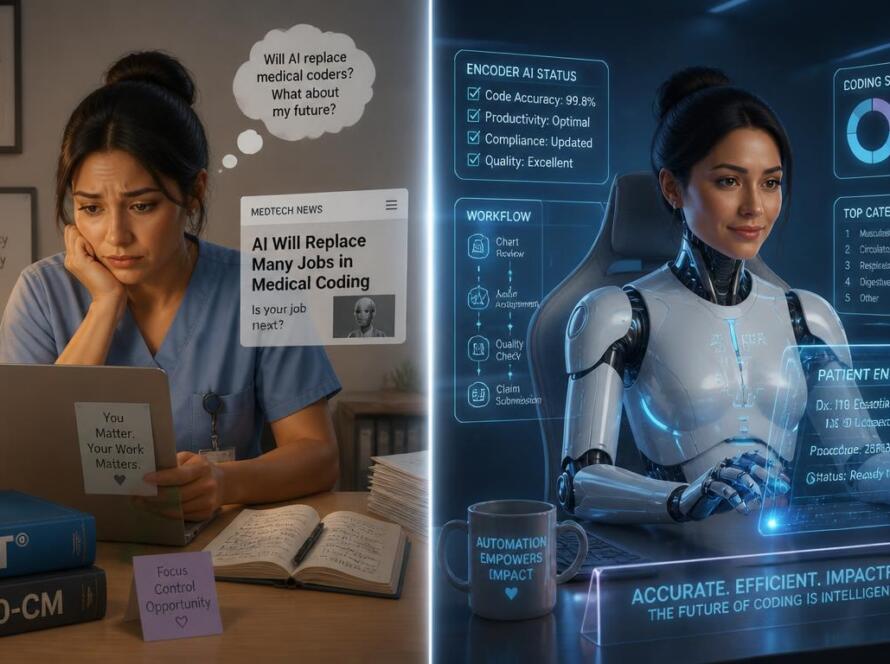
The medical coding field is evolving quickly. Documentation expectations are changing, AI tools are being introduced, and employers increasingly value coders who understand real-world application, not just textbook definitions. Choosing the right learning format can make the difference between feeling lost and feeling confident.
Final Thoughts
As someone who codes daily and teaches new coders, I’ve seen every type of learner and every type of program. What matters most is choosing a path that supports your learning style and sets you up for long-term success. Medical coding is a rewarding, stable, and flexible career — but only if you start with the right foundation.
Whether you choose self‑paced or live online learning, make sure your training prepares you for real charts, real guidelines, and real coding decisions. And as we move into October, we’ll talk about another big topic on everyone’s mind: AI in medical coding — what it can do, what it can’t, and why coders are still essential.