

A Beginner’s Guide to ICD-10-CM, CPT & HCPCS
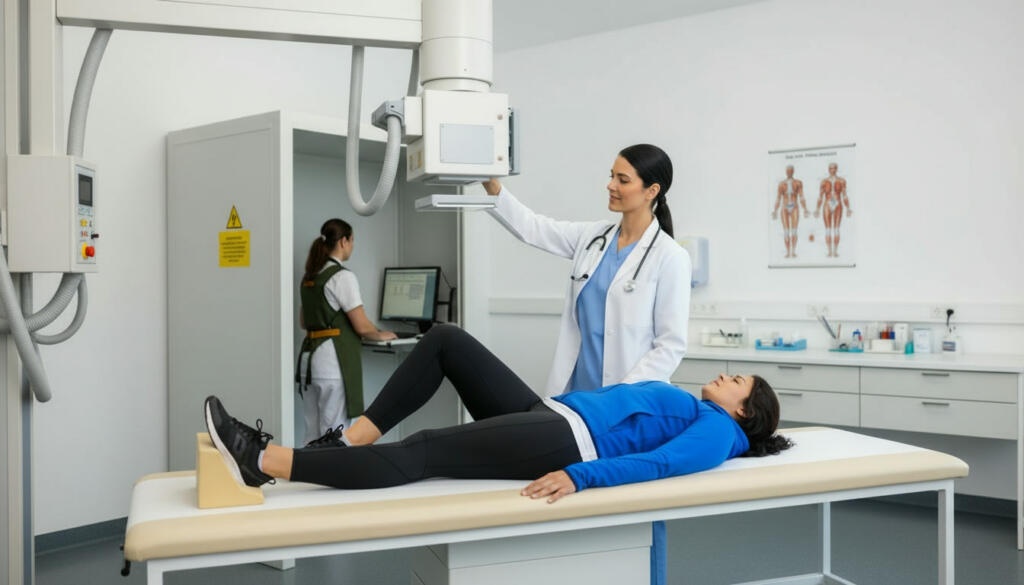
You go to the doctor because your knee hurts. The provider examines your knee, performs an X-ray, and gives you a brace.
Before that visit can be reported to your insurance company, the information documented in your medical record must be translated into standardized codes.
That’s medical coding. For outpatient professional coding, three coding systems work together to tell the story of the patient’s visit: ICD-10-CM, CPT, and HCPCS Level II.

ICD-10-CM: Why Was the Patient Seen?
ICD-10-CM reports diagnoses, conditions, symptoms, injuries, and other reasons for healthcare encounters.
In our example, ICD-10-CM communicates why the patient needed care, such as knee pain or a diagnosed knee condition.
CPT: What Was Done?
CPT reports medical, surgical, and diagnostic services and procedures performed by physicians and other qualified healthcare professionals.
For our patient, CPT could report the office visit and X-ray.

HCPCS Level II: What Else Was Provided?
HCPCS Level II reports many supplies, medications, equipment, and other services not represented by CPT.
If our patient receives a reportable knee brace, that may bring HCPCS Level II into the encounter.

Putting It All Together
Now our visit makes more sense:
ICD-10-CM → Why did the patient need care?
CPT → What service or procedure was performed?
HCPCS Level II → What additional item or service was provided?
That is the beginning of understanding medical coding.
A coder reviews the medical record, identifies what happened during the encounter, and applies the appropriate coding guidelines to accurately report the documented services.
And no, becoming a medical coder doesn’t mean memorizing thousands of codes.
It means learning how to find, verify, and correctly apply them.
What About Certification?
Learning medical coding is the foundation, but for many aspiring medical coders, professional certification is the next goal. Recognized coding credentials demonstrate your knowledge and ability to apply coding principles and can help prepare you for employment opportunities in the field.
Certification exams evaluate your ability to apply what you have learned. That means your first priority should be developing solid coding skills rather than simply studying to pass an exam.
Where Do You Start?
If you’re new to medical coding, start by learning how each coding system works before trying to tackle complicated cases.
At PPMC Academy, our Beginner Pathway helps you build those foundational skills through practical instruction and guided coding examples while preparing you to continue toward professional certification.
Build your foundation. Learn how the pieces connect. Prepare for certification.